

Instrumentation & Control Engg. (SS) (ICE)

Top Colleges
1 |
P.S.G. College of TechnologyTNEA Code : 2006 Location: Coimbatore |
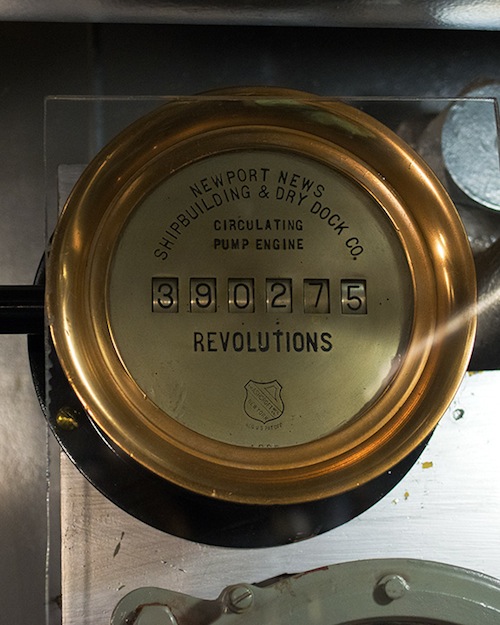
Instrumentation Engineering deals with the design, configuration and automation of systems. Electronics & Instrumentation Engineering (E&I), Instrumentation & Controls Engineering (ICE), are the two Engineering courses which are derivative of the Instrumentation Engineering. These two courses covers almost similar subjects and the professionals graduated in these courses can look for a similar work profile.
This course encompasses the design, build and management of systems that are used in a range of modern industrial settings, and is closely related to mechatronic and robotic engineering. Instrumentation engineers are employed at essential positions in the industrial manufacturing sector and usually work in industries with automated processes, such as chemical or manufacturing plants with the goal of improving system productivity, reliability and stability.
What is the future for an Instrumentation graduate?
-
Instrumentation Engineers are responsible for the design, construction and maintenance of the entire instrumentation systems of any industrial undertaking.
-
The type of instruments needed for ensuring better quality and efficiency of the end product are decided by an instrumentation engineer.
-
Instrumentation Engineers design the actuators, positioning devices and robots for industrial automation.
- Instrumentation and control engineers monitor measure and control physical quantities like temperature, pressure and flow in an automated industrial environment.
What is the future for an E&I / IC graduate?
Instrumentation and control engineers are employed in a range of modern industrial settings such as manufacturing, environmental, health, food production, mining and energy production.
-
IC/E&I Engineers can find opportunities in any of the following categories
-
Instrumentation Engineer / Process Engineer in heavy industries such as thermal power stations, steel plants, refineries, cement and fertilizer plants etc.
-
Design and product development Engineer in companies that manufactures specialized instruments such as actuators, measuring gauges, etc [Electronic Design & Manufacturing]
-
Industrial automation / Robotic Engineer in any manufacturing or food processing industry which run in an automated setup.
-
Maintenance & Repair Engineer for Bio-Medical instruments
- Software Engineer [specializes on creating customized software for the specific instruments].
Scope for Higher Education
After graduated as B.E / B.Tech in E&I one can look for M.E / M.Tech / M.S in any of the following areas like
-
Robotics
-
Mechatronics
-
Industrial Engineering
-
Control Systems
-
Metrology & Measurement Systems
-
Instrumentation
-
Bio-Medical
Instrumentation engineers can get jobs in R&D units of public and private sector companies. They are also required by the Heavy industries such as Thermal Power Stations, Steel Plants, Refineries, and Cement and Fertilizer Plants. They have a multidisciplinary role to play. One may choose to move sideways into other career areas either within or outside their industry. This might include areas such as purchasing, sales, marketing, finance, HR, IT or general management.
These engineers can pursue consultancy-based work. Those who have an aptitude use their expertise they have gained in industry and engage in academic research in universities or acquire a tutoring/coaching role as a lecturer or trainer of instrumentation engineers. Senior level positions are occupied with a Masters Degree and they carry the highest level of responsibility and may include planning and managing activities, as well as leading on new developments. Senior engineers in production and operation functions can often be representatives at board level.
-
Designing and developing new control systems;
-
Maintaining and modifying existing systems;
-
Managing operations;
-
Working collaboratively with design engineers,
operation engineers, purchasers and other internal staff;
-
Contacting clients, suppliers, contractors and relevant authorities
-
Project management within cost and time constrained environments;
-
Troubleshooting and problem-solving;
-
Understanding and ensuring compliance with the health and safety regulations and quality standards
-
Providing advice and consultancy support;
-
Purchasing equipment;
-
Writing computer software;
- Developing new business proposals

Disclaimer
- The above information is based on
- estimates,
- data gathered from public sites
- mandatory disclosure of the colleges
- We don't guarantee accuracy of information
- We don't guarantee admission to the colleges
- Use it as a tool to narrow your search